Description
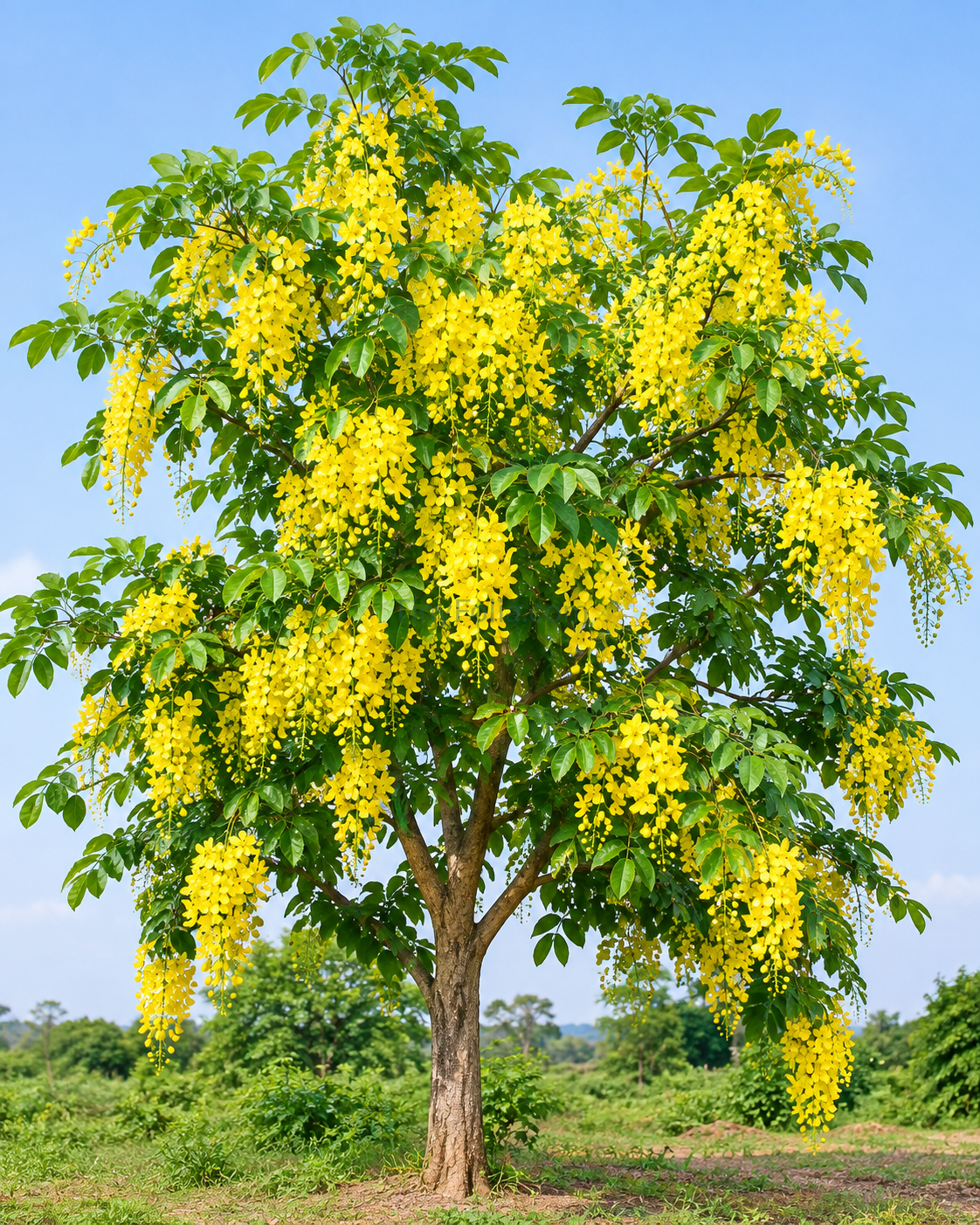
The Cassia Na Dosa, widely known across Pakistan as the Pink Shower Tree or Pink Amaltas, is one of the most breathtaking ornamental flowering trees you can grow in domestic outdoor landscapes. Belonging to the Fabaceae family, this medium-to-large deciduous tree features delicate, pinnate dark-green leaves and produces massive, cascading clusters of soft pink and white flowers from mid-spring through early summer.
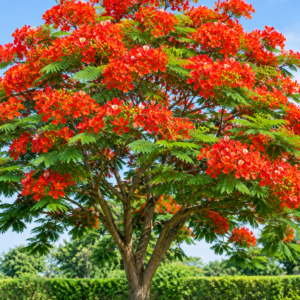
When in full bloom, the canopy mimics a sea of apple blossoms, making it an extraordinary focal point for spacious front yards, farmhouses, driveways, and community parks throughout Lahore, Karachi, Islamabad, and Rawalpindi. Beyond its high visual appeal, Cassia nodosa serves as an effective shade tree. Its wide, dome-shaped branching structure blocks intense afternoon heat, helping cool surrounding lawn areas during peak Pakistani summers.
Outdoor Suitability & Growing Conditions
While young saplings can be potted temporarily on sunny terraces or large patio setups, Cassia Na Dosa is strictly an outdoor tree that thrives best when planted directly into the ground. It is well-adapted to the hot plains of Punjab, Sindh, and the Potohar region. It handles high summer temperatures comfortably, provided it receives direct outdoor sunlight and deep, regular irrigation during its early growth phases.
Why Buy from TinyFolia?
Finding healthy, rooted specimens at a physical plant nursery near you can be time-consuming. TinyFolia eliminates the hassle by offering top-tier, field-ready Cassia Na Dosa saplings online. Every tree is carefully nurtured in optimal soil mixes, inspect-checked for pest resistance, and packaged securely for swift delivery to any city across Pakistan.
Plant Care Guide
-
Light: Requires Full Sun. Needs at least 6 to 8 hours of direct, unfiltered sunlight daily for maximum flower yield. Shady areas lead to sparse leaf growth and reduced blooming.
-
Water: Water thoroughly twice a week while the sapling establishes its root system. Once mature, it becomes fairly drought-tolerant. Avoid waterlogging; allow the top few inches of soil to dry out between waterings.
-
Soil: Thrives in sandy-loam or well-draining garden soil enriched with organic compost. Good drainage is essential to prevent root decay.
-
Temperature: Performs best in warm tropical to subtropical climates ($20^\circ\text{C}$ to $42^\circ\text{C}$). Protect young plants from extreme frost during cold northern winters.
-
Fertilizer: Apply a well-balanced NPK fertilizer or aged organic cow dung (Gobar Ki Khad) in early spring right before the main flowering flush to boost petal counts and branch vigor.


Reviews
There are no reviews yet.